
Asbestlint Explained: What It Is, Uses, and Key Safety Facts
Asbestlint is a term many people only notice when they’re renovating, repairing old equipment, or inspecting an older building. In simple words, it usually refers to asbestos-containing tape or woven strip material that was used for heat resistance and insulation. Because asbestos fibers are hazardous when disturbed, understanding what you’re looking at matters more than guessing.
People often confuse asbestlint with modern heat tape, duct tape, or fiberglass wrap. The key difference is what’s inside. Older asbestos products were made to handle high temperatures and harsh conditions, which is why they show up around boilers, ducts, and industrial parts. Today, safer materials do the same jobs with far less risk.
This guide breaks down what asbestlint is, where it was used, and what safety facts you should know before you touch anything. It’s written to help homeowners, maintenance staff, and curious readers make safer decisions. If you suspect you’ve found asbestos material, the safest move is to avoid disturbing it and get proper advice.
What Is Asbestlint?
Asbestlint typically means an asbestos-containing strip or tape used for insulation, wrapping, sealing, or heat shielding. Depending on region and language, you may also hear it described as asbestos tape, asbestos webbing tape, or woven asbestos textile tape. It was common in older installations because it handled heat well and lasted a long time. The risk comes when it frays, cracks, or gets disturbed.
What it looks like in real life
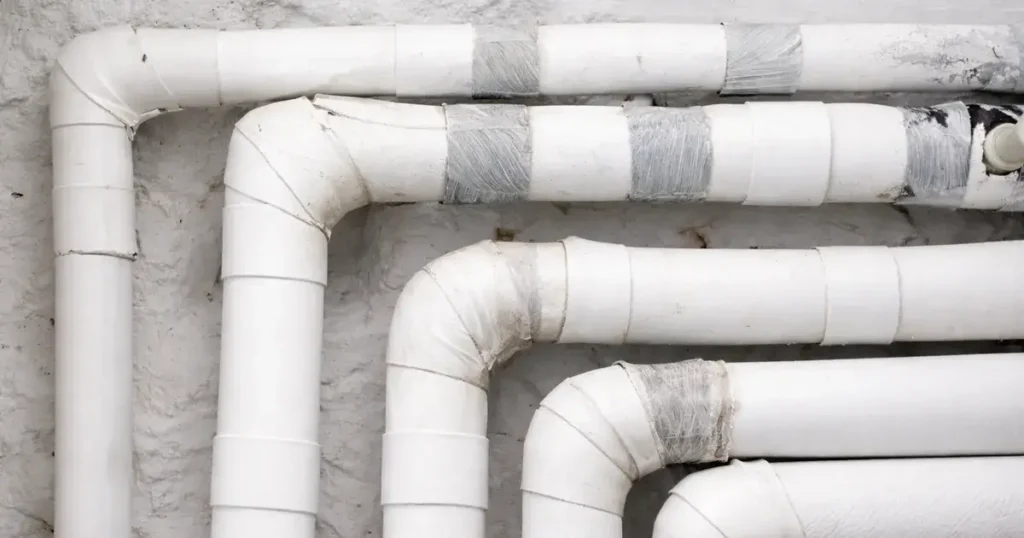
Asbestlint is often off-white, gray, or dirty beige from age and dust. It may look like a woven fabric strip, a flat tape, or a wrap around joints and edges. In older systems, it can be layered, painted over, or stuck under metal cladding. Visual identification is tricky, so treat unknown older tape-like insulation as suspicious until confirmed.
Why it’s not the same as modern tape
Modern high-heat tapes are typically made from fiberglass, ceramic fiber, or other engineered materials designed to resist heat without asbestos. Asbestlint can look similar at a glance, which is why mistakes happen. The safety issue isn’t “touching something dusty,” it’s releasing microscopic fibers into the air. That’s why experts warn against handling suspected asbestos materials.
Why Asbestlint Was Used
Asbestos was widely used because it solved practical problems in buildings and industry. It resists heat, slows fire spread, and can be woven into strong textiles. Those properties made it attractive for sealing joints, insulating hot surfaces, and wrapping components exposed to high temperatures. Unfortunately, the same fibrous nature that made it useful also made it dangerous when fibers become airborne.
Heat and fire resistance
Asbestos-containing materials were often used where heat was constant and failure could be costly, such as around ducts, boilers, and thermal insulation areas. In many older buildings, asbestos shows up in thermal system insulation and similar high-heat uses. This history is why guidance often treats certain older insulation materials as presumed asbestos unless proven otherwise.
Strength, flexibility, and insulation value
Asbestlint wasn’t just heat resistant, it was also flexible and tough. It could bend around corners, wrap tightly around joints, and handle vibration better than some brittle insulation products. That’s why it was used in places where movement, friction, or maintenance access were common. In practice, it became a “quick fix” material for sealing, patching, and insulating in demanding environments.
Also Read This: "Veganovies.com: A Practical Guide to Recipes, Tips, and Plant-Based Living"
Common Uses and Where It Shows Up
Asbestlint is most often associated with older heating systems, ductwork, and industrial equipment. It may appear in buildings built or modified decades ago, especially where heat, steam, or hot air moved through a system. It can also show up in workshops and plants where older machinery is still in use. If you’re unsure, assume unknown older insulation or wrap could be asbestos-containing.
HVAC and ductwork joints
One common location is around duct seams, connectors, and joints in older forced-air heating systems. Tape-like materials were used to seal gaps, reinforce joints, and improve heat containment. Over time, the tape can dry out, peel, or shed fibers if bumped or scraped. This is why guidance focuses on typical asbestos locations and urges caution during maintenance work.
Pipes, boilers, furnaces, and industrial equipment
Asbestlint can also be found where pipes or vessels needed insulation and fire resistance, especially around boilers, steam lines, hot valves, and older thermal equipment. Older buildings often contain asbestos in pipe and boiler insulation and other thermal system materials. These areas matter because heat cycles and vibration can degrade materials, increasing the chance of fiber release if disturbed.
Key Safety Facts You Should Know
The main danger with asbestos products is exposure to airborne fibers. If asbestos-containing materials are intact and left undisturbed, the risk is generally lower. The risk rises when the material is damaged, crumbling, sanded, cut, drilled, or aggressively cleaned. That’s why most safety agencies emphasize avoiding contact and preventing disturbance when asbestos is suspected.
How fibers get released
When asbestos material is disturbed, tiny fibers can be released into the air and breathed in. Agencies warn that damaged material is more likely to release fibers, especially if it’s rubbed, hit, handled often, or exposed to airflow and vibration. Because fibers can be too small to see, “no visible dust” doesn’t mean “no risk.” Treat disturbance as the key trigger.
Health outcomes and long latency
Inhaled asbestos fibers can lodge in the lungs and remain for a long time, contributing to serious diseases over years. Major health authorities link asbestos exposure to conditions like scarring-related lung disease and cancers, with risk increasing by exposure level and duration. Symptoms may not appear for a long time, which is why prevention and exposure control are emphasized over “waiting to see.”
Quick safety snapshot (mid-article checklist):
- Stop work if you suspect asbestlint and avoid touching it.
- Do not cut, sand, drill, scrape, or vacuum suspected asbestos materials.
- Keep people away from the area, especially kids and pets.
- If the material is damaged or dusty, treat it as higher risk.
- Use qualified professionals for testing and any removal decisions.
How to Respond If You Find It
If you come across suspected asbestlint, the safest approach is simple: don’t disturb it and don’t “test it yourself” by pulling, tearing, or scraping. Many exposures happen during well-intended DIY work. Public safety guidance commonly stresses leaving suspected asbestos alone and taking the right next steps based on condition and location.
Do’s and don’ts for homeowners and workers
Do isolate the area and pause any repair or renovation work. Do look for signs of damage like fraying, cracking, or abrasion from wear. Don’t sweep, vacuum with a normal vacuum, or use compressed air. Don’t try to peel it off “carefully,” because careful handling can still release fibers. When in doubt, treat it as asbestos and escalate.
When to call licensed professionals
If material is damaged, in an occupied area, or likely to be disturbed during planned work, bring in trained professionals. Guidance for workplaces emphasizes that asbestos work can be dangerous and that task type and training level matter. A professional can assess whether it should be managed in place (Encapsulation or Enclosure) or removed under controlled conditions, depending on local rules.
Identification, Testing, and Regulations
Asbestlint identification is not reliable by looks alone, especially after decades of paint, grime, and patching. Because of that, many safety standards treat certain older insulation materials as “presumed asbestos” unless proven otherwise. Regulations vary by country, but the pattern is consistent: avoid disturbance, document suspected locations, and use appropriate testing and trained personnel for decisions.
Why “assume until tested” is common
Workplace rules and guidance often assume that older thermal system insulation and similar materials may contain asbestos, particularly in buildings from certain eras. This approach prevents accidental exposure caused by guessing wrong. It also encourages a structured process: identify, assess condition, decide on management, then plan any work with the correct safety controls rather than improvising mid-job.
What proper sampling and documentation involves
Testing should be done in a way that avoids unnecessary disturbance and follows local requirements. In many places, a competent inspector collects samples and documents the material type, condition, and location, then a lab confirms the presence and type of asbestos. For buildings and workplaces, this documentation helps guide safe maintenance and renovation planning instead of repeated “surprise finds.”
Safer Alternatives for High-Heat Sealing and Insulation
Today, asbestos is not needed for the jobs asbestlint once did. Modern products can deliver heat resistance, sealing, and durability without asbestos fibers. The right alternative depends on where it’s used: ducts, exhaust systems, boilers, or electrical protection. If you’re replacing or upgrading materials, choose products designed for the temperature range and the specific mechanical stresses involved.
Modern materials used today
Common non-asbestos replacements include fiberglass tapes, ceramic fiber tapes, high-temperature textiles, and other engineered sealing and insulation materials. These products are widely used in boilers, kilns, welding, and heat shielding applications. The key benefit is performance without asbestos fiber hazards, which reduces risk during installation, maintenance, and eventual replacement.
Choosing alternatives by purpose
Think in terms of the job, not the old material. For sealing joints, you may need a gasket or sealing tape rated for heat and compression. For wrapping hot surfaces, you may need an insulation wrap designed for the surface temperature and airflow conditions. If the use case involves occupied indoor air systems, prioritize materials that are stable, low-shedding, and made for HVAC environments.
Key Points Table
| Key Point | What It Means | Why It Matters |
| Asbestlint usually refers to asbestos-containing tape/strip | Often used for wrapping, sealing, and insulation | Common in older systems and buildings |
| Risk rises when disturbed or damaged | Cutting, scraping, sanding, or heavy handling can release fibers | Airborne fibers are the main exposure route |
| Don’t rely on looks alone | Paint, age, and grime hide materials | Misidentification causes accidental exposure |
| Follow “don’t disturb” first | Stop work, isolate area, avoid cleanup methods that spread dust | Reduces immediate exposure risk |
| Testing and decisions should be professional | Proper assessment guides manage-in-place vs removal | Helps comply with safety rules and reduces hazards |
| Safer alternatives exist | Fiberglass/ceramic and modern insulation products replace asbestos | Similar performance with lower health risk |
Conclusion
Asbestlint is best understood as a legacy heat-resistant tape or strip that may contain asbestos. It was used because it worked well under high temperatures and tough conditions, but the safety tradeoff is real. The most important rule is simple: if you suspect it, don’t disturb it. Most harmful exposures start with routine DIY work or unplanned maintenance.
If you find suspected asbestlint, pause the job, keep people away, and treat it as a safety issue, not a quick cleanup. Professional identification and a proper plan can prevent unnecessary exposure and costly mistakes. And if you’re replacing old materials, modern non-asbestos alternatives can usually do the same job without bringing asbestos risks into the picture.
FAQ’s About Asbestlint
1) Is asbestlint the same thing as duct tape?
No. Asbestlint usually refers to older asbestos-containing tape or woven strip material used for heat resistance. Modern duct tape is typically not designed for high-heat insulation and does not contain asbestos.
2) Is it dangerous if it’s just sitting there?
Risk is generally lower if it’s intact and undisturbed. The risk increases when it’s damaged, crumbling, or disturbed because that can release fibers into the air.
3) Can I remove it myself if I’m careful?
It’s not recommended. Disturbing suspected asbestos materials can release fibers even with careful handling. In many places, removal requires training and specific controls.
4) How do I confirm if it contains asbestos?
You typically confirm through professional sampling and laboratory testing. Visual checks are not reliable, especially when materials are old, painted, or degraded.
5) What should I do right away if I find it during renovation?
Stop work, avoid touching it, keep others away, and get qualified advice. Don’t sweep, vacuum with a normal vacuum, or scrape it, since that can spread fibers.

I’m Eric Nelson, a professional content writer with over 8 years of experience creating clear, engaging, and well-researched content across multiple digital spaces. I focus on turning complex topics into easy-to-understand stories that inform, entertain, and add real value for readers.
My Experience & Expertise 🚀
Multi-Niche Content Specialist:
Over the years, I’ve written across a wide range of categories including tech, crypto, business, lifestyle, fashion, grooming, celebrities, and breaking news. I specialize in content that feels current, trustworthy, and genuinely useful. 💡
Writer, Researcher & Trend Analyst ✍️
As an author at SFMCompilee.com, I cover:
Tech insights & explainers 💻
Crypto & business trends 📊
Lifestyle, fashion & grooming guides 👔
Celebrity stories & trending topics 🌟
In-depth reviews and practical guides 🧭
I write with a balance of research, experience, and reader-first thinking, making sure every piece is informative, engaging, and easy to follow without unnecessary fluff.






One Comment