

United Airlines Flight UA770 Emergency Diversion: What Live Radar Apps Showed Minute by Minute
When an “emergency diversion” pops up on a flight like United Airlines Flight UA770, the story often unfolds in public before any official statement. Not because insiders are leaking details, but because modern flight-tracking apps translate live aircraft signals into a map anyone can watch. That map can look dramatic, even when the crew is calmly following procedures.
If you tracked UA770 minute by minute, you likely saw a few patterns that repeat in many diversions: a route line that suddenly stops making sense, a heading change that looks too sharp to be “normal,” and an altitude profile that starts stepping down earlier than expected. Radar apps don’t read minds, but they do show enough clues to rebuild a solid timeline.
This guide breaks down what live radar apps typically reveal during an emergency diversion, how to interpret those signals, and how to avoid the common misreads that spread online. The goal is simple: help you understand what you’re seeing on-screen, without guessing the cause or jumping to conclusions.
Why UA770’s Diversion Became a “Live Data” Story
Emergency diversions get attention because they’re one of the few aviation events where the public can watch decisions happen in real time. A flight plan is usually predictable, so when UA770’s track changes suddenly, radar apps make that shift obvious. The tech doesn’t explain “why,” but it makes the “what happened next” visible, which is why timelines form quickly on social media.
Diversion vs delay: the key difference
A delay is time-based, but a diversion is route-based. Radar apps reveal diversions because the aircraft stops following the planned path and begins flying a new one toward an alternate airport. You might also see an approach setup earlier than expected, or a pattern that looks like repositioning. Those shifts are the “tell” that the plan changed in-flight.
Why “emergency” looks louder on tracking apps
Not every diversion is labeled “emergency” by the public, but certain signals make people use that word. A sudden turnback, a rapid descent, or a transponder code that apps highlight can all trigger alerts. The app interface amplifies this, because it’s designed to surface unusual events quickly, not to provide calm context.
The Core Signals Radar Apps Pull From
Live radar apps are basically data translators. They take broadcasts from aircraft systems, merge them with databases (aircraft type, airline, registration), and render it all as a moving track. For UA770, what you saw “minute by minute” came from frequent position updates, altitude readings, and speed trends. Understanding those inputs helps you interpret what the map is really saying.
ADS-B position reports in plain terms
Most popular apps rely heavily on ADS-B, a broadcast that includes an aircraft’s position, altitude, speed, and more. Receivers on the ground pick it up and feed it into networks that apps access. When the plane is over strong coverage areas, the track looks smooth and updated often. When coverage weakens, the plane can appear to “jump.”
Transponder codes and the “7700” spotlight
A transponder “squawk” code is a short numeric setting that air traffic control uses for identification and status. Many apps highlight certain codes because they’re widely recognized. One famous example is 7700, commonly associated with a general emergency. Still, a highlighted code does not tell you the cause. It only tells you the crew communicated urgency through standard channels.
Why altitude can look confusing
Apps may show barometric altitude, GPS altitude, or a mix depending on the feed. That’s why you can see small inconsistencies, especially during descent. You might notice brief “plateaus” where altitude holds steady, then drops again. That can be normal ATC sequencing, not a sign of trouble. The important part is the overall trend, not single blips.
Minute-by-Minute: What the Map Usually Shows First
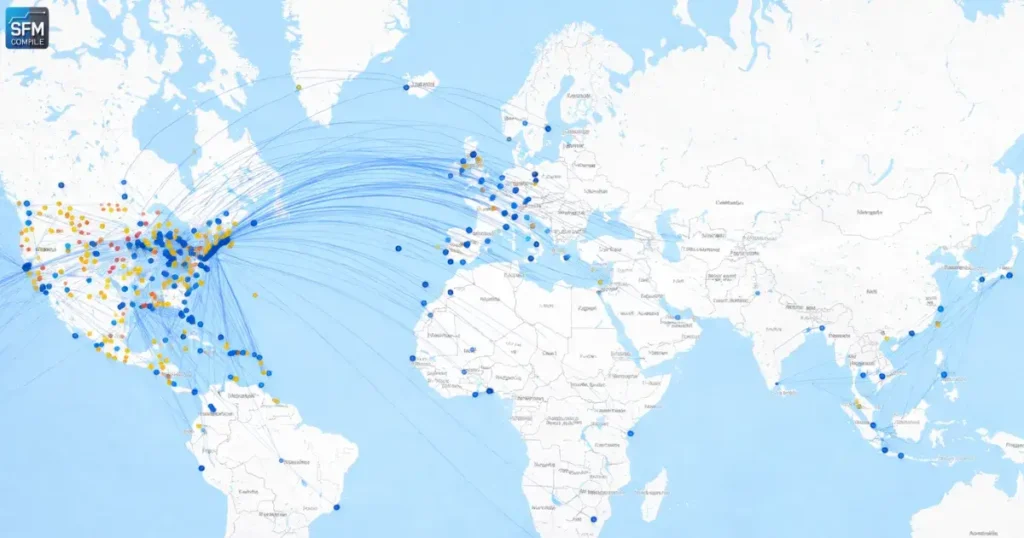
The first visible clue in many diversions is a heading change that breaks the expected route line. UA770’s track would have looked “wrong” compared to the planned path, and that mismatch is what triggers screenshots and posts. Radar apps update frequently enough that you can often tell whether the change was a small correction, a reroute, or a full turnback.
The early signs: turn, speed change, or route truncation
A diversion often begins as one of three visible actions: a turn toward a nearby airport, a shift onto a new airway, or a sudden route line that stops matching the aircraft’s direction. Sometimes speed also changes, either slowing to manage workload or adjusting for descent planning. Taken alone, any one of these can be routine. Together, they signal a plan change.
Descent patterns that look dramatic but aren’t
A sharp descent line on a chart can look alarming, but it may simply reflect an efficient descent profile. Many aircraft descend in steps based on ATC instructions, traffic, and terrain. Apps also compress time and space visually, making normal changes look extreme. Watch for steady control: smooth turns, consistent speed bands, and stable descent rates.
Also Read This: “Delta Flight DL275 Diverted LAX: How Flight Data Tracking“
Following the Reroute: Route Lines, Waypoints, and Airspace
Once the diversion decision is made, tracking becomes a game of “where are they being sent.” Radar apps show this through the aircraft’s new direction, the destination field (when updated), and the approach-like path as it nears an alternate airport. UA770’s reroute likely became obvious once the plane aimed consistently toward one region instead of zigzagging.
“Direct-to” shortcuts and why the line looks too straight
Controllers may clear a flight “direct” to a waypoint or toward an airport to simplify routing. On an app, this can show up as an unusually straight line that cuts across the original route. That straightness doesn’t imply panic. It often implies the opposite: a clean, simplified path designed to get the aircraft on the ground efficiently.
Holding patterns and the circles you shouldn’t misread
Sometimes you’ll see loops or racetrack shapes near an airport. That can be a holding pattern, sequencing for traffic, or spacing to set up an approach. It can also be weather avoidance. Holding doesn’t automatically mean the aircraft is unsafe to land. It often means ATC is managing arrivals, or the crew is preparing for an approach at the best moment.
Interpreting Speed, Vertical Rate, and Trend Indicators

To make a “minute by minute” story credible, you need more than the map. The most useful panels in radar apps are speed, vertical rate, and altitude trend. These help you separate a normal descent from something unusual. For UA770, the key would be whether changes were controlled and consistent, which usually points to standard procedure rather than chaos.
Groundspeed isn’t the same as how fast the plane “feels”
Apps often show groundspeed, which changes with wind. A strong headwind can make a plane look slow, while a tailwind can make it look fast, even if the aircraft’s performance is normal. Don’t treat groundspeed alone as a problem indicator. Compare it with altitude changes and flight phase. A descending aircraft will often reduce speed as it configures to land.
Vertical rate spikes can be normal
Vertical rate numbers can jump briefly due to measurement updates or step descents. A short spike doesn’t necessarily mean a steep dive. What matters is whether the aircraft returns to a stable trend and continues along a sensible approach profile. If the plane is lining up, slowing down, and descending in a controlled way, that’s typically consistent with routine diversion handling.
Quick mid-article checklist: what to watch on the screen
- Heading changes that persist for several minutes (not a single correction)
- A destination update or clear aim toward one airport region
- Step-down altitudes that match approach setup
- Speed gradually decreasing as the aircraft nears the diversion airport
- Short data gaps that explain “teleporting” jumps on the map
- A stable final approach line rather than erratic weaving
Notifications and Social Signals While You Track
Radar apps don’t exist in a vacuum. People share clips, overlays, and guesses while the aircraft is still airborne. That creates a second layer of “live tracking” that can be helpful or misleading. With UA770, you may have seen posts interpreting every turn as a clue. The smarter approach is to treat social chatter as commentary and the app data as the timeline backbone.
App alerts: useful, but not the full story
Push notifications are built to capture attention, so they focus on anomalies: sudden altitude changes, unexpected turns, or special transponder codes. They rarely provide context because they don’t have it. An alert can tell you “something changed,” not “something is wrong.” Use alerts as prompts to look closer at the track, not as conclusions.
Avoiding rumor traps while still staying informed
The biggest mistake is assigning a cause to a track shape. A turnback can be mechanical, medical, operational, weather-related, or precautionary. Radar apps won’t confirm which. If you want a responsible “minute-by-minute” recap, describe what the data shows: headings, altitudes, and arrival. Leave the cause open unless verified by reliable statements from the airline or aviation authorities.
Rebuilding the Timeline After Landing
The best time to write a clean “minute by minute” story is after the aircraft is on the ground. Then you can use playback tools and compare multiple sources without the pressure of live updates. For UA770, you can reconstruct a narrative from the moment the route diverged to touchdown, using timestamps, altitude charts, and track history.
Playback mode and timeline building
Most tracking platforms offer a replay or history view. That’s where you can capture exact turning points: when the aircraft left its planned track, when descent began, and when it aligned for approach. Build your timeline around visible, measurable moments rather than assumptions. Even a simple structure like “turn, descend, reroute, approach, land” is more accurate than speculative storytelling.
Cross-checking with more than one app
Different apps pull from different receiver Networks And Data Processing Methods. Comparing two or three can help you confirm whether a “weird” move was real or just a feed glitch. If one app shows a sharp jump but another shows a smooth curve, it’s likely a data gap. Cross-checking keeps your article accurate and reduces the chance of spreading a false detail.
What Live Radar Apps Can’t Show
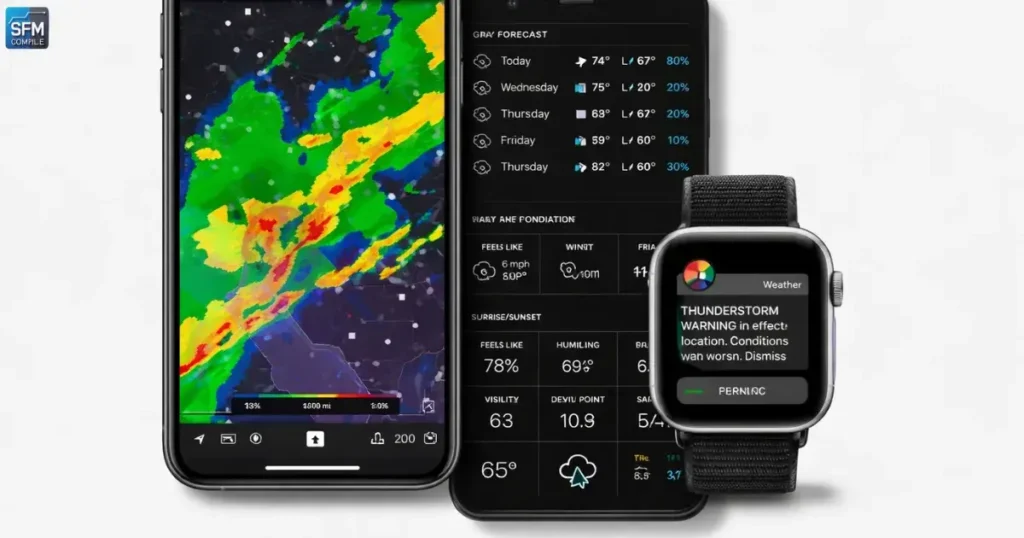
Radar apps are powerful, but they don’t show the cockpit decision-making or the underlying reason for an emergency diversion. They show motion, not motive. UA770’s map might tell you where the aircraft went and how it got there, but it won’t tell you what the crew saw, heard, or diagnosed. Knowing these limits is key to writing responsibly.
The cause: medical, mechanical, or operational is often invisible
A diversion can be triggered by a passenger medical event, a system caution, a pressurization issue, smoke indications, weather constraints, or many other factors. None of that is directly visible in ADS-B tracks. That’s why “minute by minute” tracking should focus on external facts and avoid claims about what happened inside the aircraft unless confirmed by official sources.
ATC context and why silence doesn’t mean secrecy
People sometimes expect live air traffic control audio or transcripts to appear instantly. But coverage varies, recordings can be incomplete, and sometimes communications are routine even during an emergency. A calm flight path and normal approach can coexist with a serious issue that was handled smoothly. The absence of dramatic radio clips isn’t proof that “nothing happened.”
Data gaps, lag, and the illusion of sudden jumps
If UA770 flew over an area with weaker receiver coverage, the track may have paused and then reappeared later. That looks like a sudden jump on the map, but it’s usually just missing data. Apps may also lag during high traffic. When you write your recap, note that tracking is an approximation of broadcasts, not a perfect real-time instrument panel.
Key Points Table
| Key Point | What Live Radar Apps Show | What It Usually Means | Best Way to Describe It |
| First diversion clue | Sudden heading change or route mismatch | A reroute decision or ATC instruction | “Track diverged from planned path” |
| Emergency indicators | Highlighted transponder code, unusual turnback | Elevated priority, not a confirmed cause | “App flagged an emergency status” |
| Descent behavior | Step-down altitudes, changing vertical rate | Normal approach setup in many cases | “Controlled descent toward alternate” |
| Speed changes | Groundspeed drops near destination | Approach configuration and sequencing | “Speed decreased as it prepared to land” |
| Holding/circling | Racetrack loops near airport | Traffic spacing or preparation | “Entered a holding pattern” |
| Tracking glitches | Jumps, pauses, missing points | Coverage limits or data lag | “Brief tracking gap affected the display” |
| Post-landing clarity | Replay and track history | Better timeline accuracy | “Replay confirmed key turning points” |
Conclusion
A “minute by minute” tracking story like United Airlines Flight UA770’s emergency diversion is really a story about modern data visibility. Live radar apps can show you the turn that started the diversion, the descent profile that followed, and the approach path that ended it. That’s enough to build a solid timeline, especially if you use replay tools after landing.
The key is staying disciplined about what the data actually proves. Describe headings, speeds, altitudes, and the route change without claiming the reason. When you write it that way, your article stays accurate, avoids rumor, and still delivers the tech-driven insight readers want from live tracking.
FAQs About United Airlines Flight UA770 Emergency Diversion
Do live radar apps show the real reason UA770 diverted?
No. They show external flight data like position, altitude, and speed. The reason (medical, mechanical, weather, operational) usually isn’t visible in tracking data unless confirmed by official sources.
What does “minute by minute” tracking really mean?
It means watching frequent position updates and trend charts over time. Updates can be near-real-time, but they depend on coverage and can include short delays or gaps.
Does a sharp turn on the map always mean an emergency?
Not always. Sharp turns can come from ATC reroutes, weather avoidance, traffic management, or shortcut clearances. Patterns matter more than a single moment.
What does squawk 7700 mean in flight tracking apps?
It’s commonly associated with a general emergency status. It signals urgency to air traffic control, but it does not explain the cause by itself.
How can I write a responsible diversion recap without guessing?
Stick to verifiable data: when the track changed, when descent began, where it headed, and when it landed. Avoid claiming causes unless confirmed by reliable, official statements.

I’m Eric Nelson, a professional content writer with over 8 years of experience creating clear, engaging, and well-researched content across multiple digital spaces. I focus on turning complex topics into easy-to-understand stories that inform, entertain, and add real value for readers.
My Experience & Expertise 🚀
Multi-Niche Content Specialist:
Over the years, I’ve written across a wide range of categories including tech, crypto, business, lifestyle, fashion, grooming, celebrities, and breaking news. I specialize in content that feels current, trustworthy, and genuinely useful. 💡
Writer, Researcher & Trend Analyst ✍️
As an author at SFMCompilee.com, I cover:
Tech insights & explainers 💻
Crypto & business trends 📊
Lifestyle, fashion & grooming guides 👔
Celebrity stories & trending topics 🌟
In-depth reviews and practical guides 🧭
I write with a balance of research, experience, and reader-first thinking, making sure every piece is informative, engaging, and easy to follow without unnecessary fluff.






2 Comments