

The term Fascisterne often appears in historical discussions, political debates, and modern commentary, yet its meaning is frequently misunderstood. Many people use the word loosely, without fully grasping its origins or historical context. This has led to confusion, oversimplification, and the spread of myths that blur facts with opinion.
Historically, Fascisterne refers to individuals and movements aligned with fascist ideology, particularly in early 20th-century Europe. These movements emerged during times of economic instability, social unrest, and political fear. Understanding this background is essential to separating historical reality from exaggerated narratives.
Today, Fascisterne is sometimes used as a label rather than a precise term. This article explores where Fascisterne came from, how it shaped history, and why misconceptions about it still persist. By examining facts carefully, readers can better understand its true meaning and lasting impact.
The Origins of Fascisterne
Fascisterne originated from the broader fascist movement that developed in Europe after World War I. The devastation of war, combined with economic collapse and political dissatisfaction, created conditions where authoritarian ideas could take root. Fascisterne represented supporters who believed in strict order, national unity, and centralized power.
Political Climate After World War I
Europe faced widespread instability following the war. Governments struggled to rebuild economies, while citizens experienced unemployment and social unrest. Many people lost faith in democratic systems, viewing them as weak or ineffective.
Ideological Foundations
Fascisterne drew inspiration from nationalism, militarism, and anti-liberal beliefs. These ideas rejected pluralism and emphasized loyalty to the state above individual freedoms. The ideology promised strength and renewal, appealing to those seeking certainty.
The Meaning Behind the Term Fascisterne
The word Fascisterne is often misunderstood due to its varied usage across regions and time periods. Historically, it described organized supporters of fascist movements rather than a single unified group. Its meaning evolved as fascism spread and adapted.
Linguistic Roots and Usage
The term stems from European languages where it directly translates to fascists. Over time, it became associated with both official party members and ideological sympathizers, expanding its scope beyond formal organizations.
Regional Interpretations
Different countries applied the term differently. In some contexts, Fascisterne referred to political activists, while in others it described broader social movements. This variation contributes to modern confusion about its definition.
How Fascisterne Gained Influence
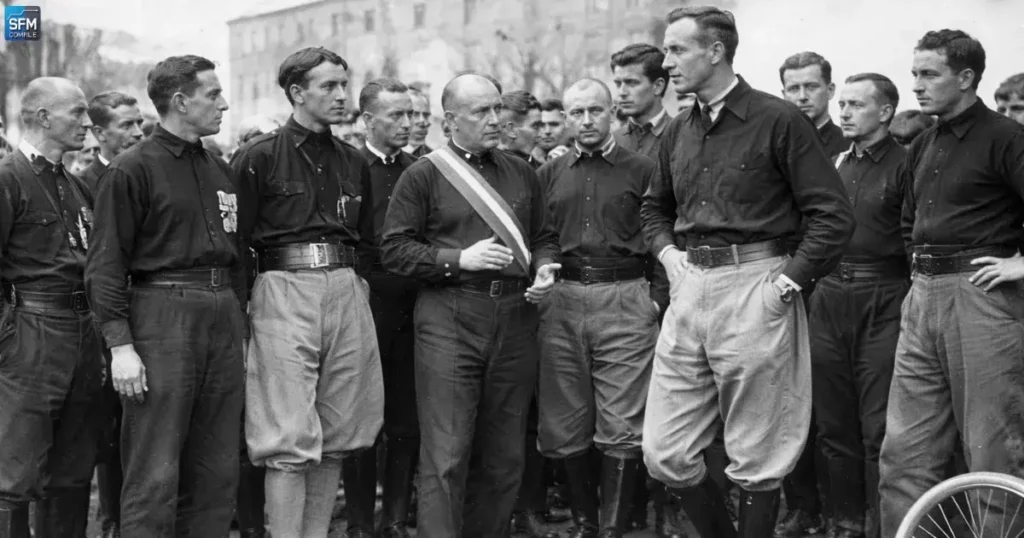
Fascisterne gained influence by exploiting fear, uncertainty, and dissatisfaction. They used propaganda, public rallies, and symbolic imagery to attract support. Their messaging often focused on restoring national pride and combating perceived enemies.
Role of Economic Hardship
Economic crises played a major role in their rise. Inflation, unemployment, and poverty made radical solutions appealing. Fascisterne presented themselves as decisive leaders capable of fixing broken systems.
Use of Mass Mobilization
Public demonstrations and organized events helped build a sense of belonging. These gatherings reinforced shared identity and loyalty, strengthening the movement’s influence across communities.
Also Read This: “RWU UAR: Advancing Education and Digital Innovation“
Fascisterne and Political Power
Once Fascisterne gained momentum, some movements transitioned from activism to governance. This shift marked a critical turning point, as ideology transformed into policy. The consequences of this transition were far-reaching and often destructive.
Control Through Centralization
Power became concentrated in a single authority or ruling party. Political opposition was suppressed, and independent institutions were weakened. This centralization allowed leaders to implement policies rapidly.
Impact on Civil Liberties
Individual rights were often restricted in favor of state control. Freedom of speech, press, and assembly declined as Fascisterne governments sought to maintain dominance and eliminate dissent.
Social Impact of Fascisterne Movements
Beyond politics, Fascisterne significantly affected everyday life. Education, culture, and social norms were reshaped to align with ideological goals. Society became structured around conformity and obedience.
Influence on Education and Youth
Educational systems were redesigned to promote loyalty and discipline. Youth organizations played a key role in spreading ideology, ensuring long-term influence by shaping younger generations.
Cultural and Artistic Control
Art, literature, and media were regulated to reflect approved values. Creative expression that challenged authority was censored, limiting diversity of thought and cultural development.
Common Myths About Fascisterne
Many myths surround Fascisterne, often fueled by oversimplification or political rhetoric. These misconceptions distort historical understanding and hinder meaningful discussion. Addressing them is essential for clarity.
Myth: Fascisterne Were All the Same
Not all Fascisterne movements were identical. While they shared core principles, their methods, goals, and cultural expressions varied widely depending on national context.
Myth: Fascisterne Only Existed in the Past
Although classic fascist movements declined after World War II, elements of the ideology still appear today. Modern groups may adapt ideas without using the original label.
Fascisterne in Modern Discourse
In contemporary discussions, Fascisterne is sometimes used as a generalized insult rather than a precise historical term. This shift has diluted its meaning and increased confusion. Understanding this change helps explain current debates.
Political Labeling and Misuse
The term is often applied to opponents without regard for accuracy. This misuse weakens historical understanding and turns complex concepts into simplified accusations.
Importance of Context
Using Fascisterne responsibly requires context and evidence. Without historical grounding, discussions risk becoming emotional rather than informative.
Key Characteristics Associated With Fascisterne
At the center of Fascisterne ideology were recurring themes that defined their actions and beliefs. These characteristics help identify the movement historically and distinguish it from other ideologies.
- Strong nationalism and loyalty to the state
- Rejection of democratic pluralism
- Emphasis on authority and discipline
- Use of propaganda and symbolism
- Suppression of opposition
These elements worked together to maintain control and shape public behavior.
Long-Term Historical Impact
The legacy of Fascisterne continues to Influence Political Theory and historical analysis. Scholars study these movements to understand how democracies can fail and how authoritarianism emerges.
Lessons for Democratic Societies
History shows that economic stress and political polarization can create opportunities for extremist movements. Awareness of these patterns helps prevent repetition.
Influence on International Relations
The actions of Fascisterne-led states reshaped borders, alliances, and global politics. Their impact extended far beyond national boundaries.
Why Myths About Fascisterne Persist
Misconceptions persist because history is often simplified for convenience. Media portrayals, selective narratives, and political agendas contribute to misunderstanding. Addressing these myths requires careful education.
Role of Media and Pop Culture
Films and literature sometimes exaggerate or dramatize fascist imagery. While engaging, these portrayals can blur the line between fact and fiction.
Lack of Historical Education
Incomplete education leaves gaps that myths easily fill. Accurate teaching helps counter misinformation and encourages critical thinking.
Key Points Summary
| Aspect | Explanation |
| Origins | Emerged after World War I during political and economic instability |
| Core Beliefs | Nationalism, authoritarianism, rejection of pluralism |
| Methods | Propaganda, mass mobilization, centralized power |
| Social Impact | Restricted freedoms, controlled education and culture |
| Modern Use | Often misused as a political label without context |
Conclusion
Fascisterne played a significant role in shaping 20th-century history, emerging from crisis and uncertainty to influence politics, society, and culture. Understanding their origins helps explain why such movements gained support and how they transformed nations.
By separating myths from facts, readers can engage with history more critically. Learning from the past allows societies to recognize warning signs and protect democratic values from repeating the same mistakes.
FAQs About Fascisterne in History
1. What does Fascisterne mean historically?
It refers to individuals or groups aligned with fascist ideology, especially in early 20th-century Europe.
2. Were all Fascisterne movements the same?
No, they shared core ideas but differed by country and political context.
3. Why did Fascisterne gain support?
Economic hardship, political instability, and fear made authoritarian promises appealing.
4. Is Fascisterne still relevant today?
Yes, the term appears in modern discourse, though often misused or oversimplified.
5. Why is understanding Fascisterne important?
It helps societies recognize how extremist ideologies form and how to prevent their return.

I’m Eric Nelson, a professional content writer with over 8 years of experience creating clear, engaging, and well-researched content across multiple digital spaces. I focus on turning complex topics into easy-to-understand stories that inform, entertain, and add real value for readers.
My Experience & Expertise 🚀
Multi-Niche Content Specialist:
Over the years, I’ve written across a wide range of categories including tech, crypto, business, lifestyle, fashion, grooming, celebrities, and breaking news. I specialize in content that feels current, trustworthy, and genuinely useful. 💡
Writer, Researcher & Trend Analyst ✍️
As an author at SFMCompilee.com, I cover:
Tech insights & explainers 💻
Crypto & business trends 📊
Lifestyle, fashion & grooming guides 👔
Celebrity stories & trending topics 🌟
In-depth reviews and practical guides 🧭
I write with a balance of research, experience, and reader-first thinking, making sure every piece is informative, engaging, and easy to follow without unnecessary fluff.