

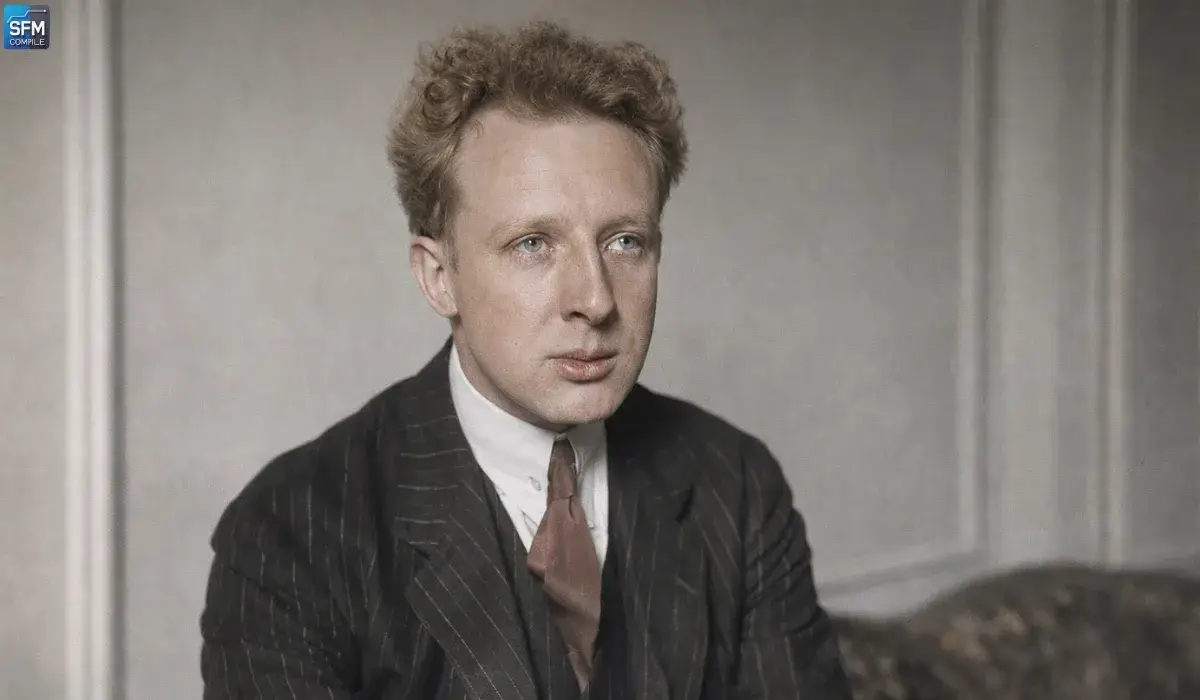
People don’t usually Google a conductor’s full name unless something feels off. “Leopold Stanislaus Stokowski” shows up in searches because the story around Stokowski’s identity became almost as famous as his performances. Between biography blurbs, old reference books, and recycled online snippets, his name can look different depending on where you read it.
At the center of it is a simple question: what was his real, official name, and why do extra middle names keep appearing? Stokowski’s life crossed countries, languages, and a time when public figures could shape their own myths more easily than they can today. That mix created a perfect storm of confusion and curiosity.
This guide clears it up in plain English. You’ll learn what reliable records say, where “Stanislaus” likely comes from, and why the mystery stuck. Along the way, you’ll also see why Stokowski mattered so much as a musician, because the name only became “legend material” thanks to the career behind it.
Who the “music legend” really was
Leopold Stokowski wasn’t famous because of a name twist, but because he reshaped how orchestras sounded and how audiences experienced classical music. He became a star conductor in an era when conductors were starting to be seen as public personalities, not just leaders hidden behind the ensemble. His long association with the Philadelphia Orchestra helped define his reputation across the United States and beyond.
A conductor who changed American orchestral sound
Stokowski was known for a lush, dramatic orchestral color that made familiar works feel newly alive. He pushed for fresh approaches to balance and tone, and he programmed boldly, including modern pieces and ambitious projects. Even people who can’t name his recordings often recognize the “big cinematic” orchestral style that his era popularized, partly because he helped make it mainstream.
From church organist to international podium
Before the big stages, Stokowski trained seriously as a musician, including formal study and early work in church music. He enrolled at the Royal College of Music as a teenager and built skills that later fed his conducting career. Those early years matter for the name story too, because they left administrative records that researchers use to verify who he was and where he came from.
A public figure before “celebrity conductor” was normal
Stokowski understood image, presentation, and the power of being talked about. He leaned into a persona that felt international and slightly mysterious, which made him stand out. In the early 20th century, that kind of mystique could spread fast through newspapers, program notes, and word of mouth, especially when your career depended on attention as much as artistry.
What his official name was at birth
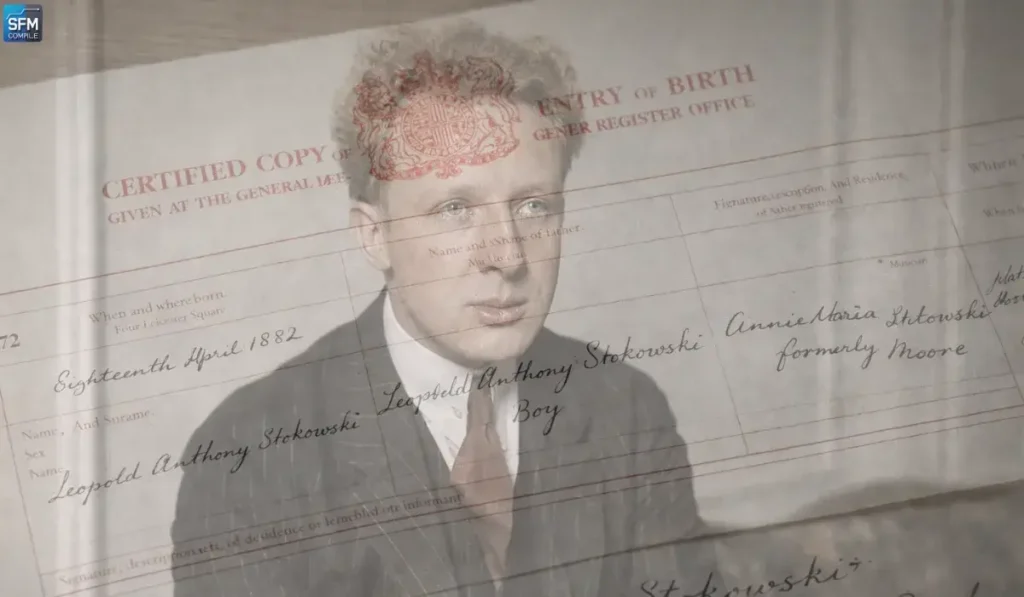
When you strip away later retellings, the most grounded starting point is the name connected to primary records. Many reputable references identify him as Leopold Anthony Stokowski, born in London on April 18, 1882. Some sources also present Polish-style forms of his middle names, which is where extra variations begin to appear.
Birth certificate basics
Biographical summaries that cite documentation point to a London birth, and descriptions of his early life frequently reference his birth certificate details. That’s important because it contradicts the long-running rumors that he was born in Central or Eastern Europe. If you’re trying to rank sources, records-based summaries and major reference works should outweigh copy-pasted internet bios every time.
Why “Anthony” and “Antoni” both appear
One reason his name looks inconsistent is language. “Anthony” is the English form, while “Antoni” is a Polish spelling that appears in some references. Stokowski himself sometimes used the Polish form later in life, which added to the impression that he was constantly “changing” his identity, even when the shift was mostly stylistic and cultural.
Where “Stanislaus” enters the story
“Stanislaus” often shows up as an added middle name in older or inconsistent references, and it can also be confused with family usage later on. For example, archival descriptions of Stokowski’s papers note that he had a son named Stanislaus, which can muddy quick online summaries when people skim or misread. So, “Stanislaus” is real in the family context, even if it isn’t consistently supported as part of his birth name.
Also Read This: “Who Is Bill Melugin Wife? Inside the Private Life of the Journalist“
Why the name confusion became part of the myth
Stokowski’s name story didn’t become messy by accident alone. It was fed by rumor, repetition, translation, and the fact that he didn’t always rush to correct the record. Add a distinctive accent and a dramatic public presence, and you get the kind of uncertainty that fans and journalists love to repeat. Over time, the confusion became self-sustaining.
Accent, reinvention, and a carefully managed persona
Even though he was born and raised in London, Stokowski was widely noted for an unusual accent and an aura that felt “not quite English.” That disconnect made people assume there was a hidden backstory. Once audiences expect mystery, they start filling gaps with guesses, and those guesses can harden into “facts” after enough repetition in print and conversation.
Rumors, misprints, and reference-book momentum
A big driver of confusion is that once a mistaken version lands in a respected reference work, later publications copy it. Some sources explicitly mention that incorrect entries circulated about his given names, and that these can be disproved by comparing them with documentation such as birth and institutional records. It’s a reminder that even “authoritative” books can carry forward a single early error.
Common myths you’ll see online
Here are the claims that keep resurfacing, even though major references and records-based summaries push back against them. Treat these as red flags that a page is repeating a story, not checking evidence.
- He was born in Kraków or elsewhere in Eastern Europe rather than London
- His “real” first name was Leonard or Lionel
- His surname was originally “Stokes” or “Stock,” later upgraded to “Stokowski”
- His birth year was different (often listed later than 1882)
- His middle names were expanded into long, Slavic forms without solid documentation
Evidence historians use to verify the facts
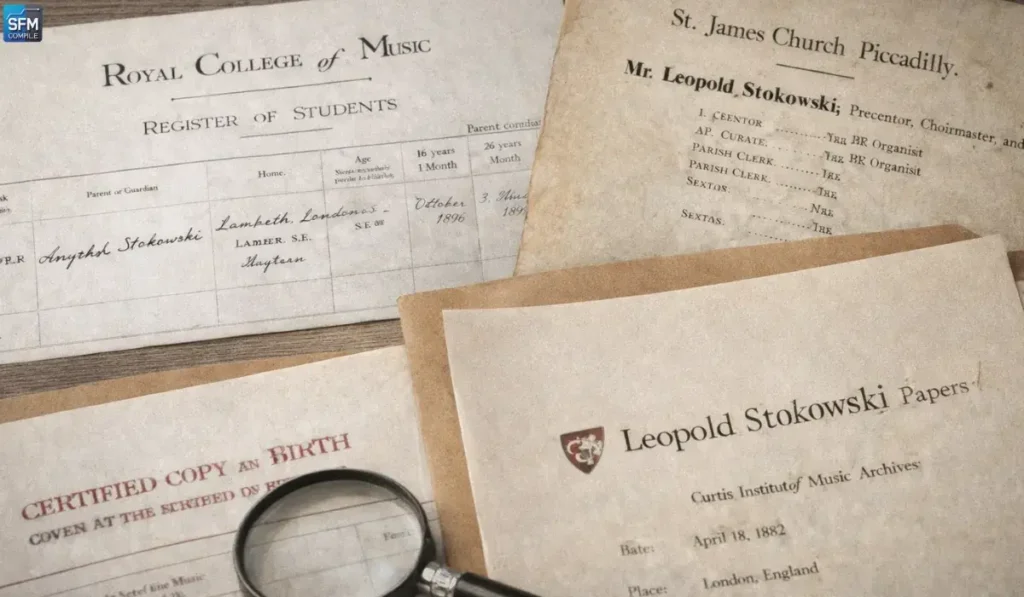
When names conflict, researchers rely on what can be cross-checked. The strongest approach is triangulation: compare independent records created at different times for different purposes. Stokowski’s early education and professional life left a paper trail, and archives preserve materials that keep the story anchored, even when rumors get loud.
Student registers and early church appointments
Institutional records tend to be less “romantic” and more accurate, because they were created for administration, not publicity. Summaries of Stokowski’s early life point to educational enrollment and church work that can be traced through documented timelines. Those records help confirm the London origin story and a consistent professional development path before he became internationally famous.
Archive collections that preserve the paper trail
Major libraries and universities hold Stokowski materials, including finding aids that outline key biographical facts and timelines. These collections don’t exist to hype a legend, they exist to document it. When you see consistent details across archival summaries, reference works, and multiple institutions, you’re far closer to truth than you are with a one-paragraph “bio” page.
How to evaluate sources when names conflict
A good rule is to separate primary evidence from storytelling. Look for whether a source explains where its information comes from, and whether it aligns with independent repositories and respected references. If a page uses dramatic phrasing but never mentions records, dates, or institutions, it’s probably repeating folklore. With Stokowski, the reliable thread stays consistent: London birth, 1882, and “Anthony/Antoni” variations.
Quick comparison table you can use while researching
| Name version you might see | Where it often appears | What to do with it |
| Leopold Anthony Stokowski | Records-based bios, institutional summaries | Treat as the safest baseline |
| Leopold Antoni Stokowski | Some major references using Polish form | Usually a language variation, not a different person |
| Leopold Antoni Stanislaw (longer Slavic strings) | Older references, recycled web pages | Verify carefully; often reflects confusion or embellishment |
| “Leonard/Lionel Stokes” type claims | Blogs, forums, low-citation bios | Treat as rumor unless proven with documentation |
The legend beyond the name: Philadelphia and innovation
It’s worth remembering why people care about the name in the first place. Stokowski earned a level of fame that made his personal story marketable, and his work set standards that shaped orchestral culture for decades. His performances, premieres, and willingness to challenge tradition are the real reasons his biography gets re-told so often.
Philadelphia Orchestra years and bold programming
Stokowski’s reputation is closely tied to his time leading the Philadelphia Orchestra, where he pushed repertoire forward and championed a wide range of composers. Accounts of his career highlight how many major works reached American audiences under his baton. That kind of artistic impact naturally creates legend, and legend invites “origin stories,” including name myths that people find irresistible.
Sound experiments and recording mindset
He was also known for embracing Recording and Sound Technology, thinking hard about how music could be captured and delivered to audiences in new ways. That interest in modern tools fit his broader personality: he wanted classical music to feel immediate, vivid, and accessible. It also helped keep his name in circulation beyond concert halls, through recordings and media appearances.
Making classical music accessible to new audiences
Stokowski didn’t treat classical music as something only for elites. He supported formats and projects designed to bring orchestral music to people who might not normally attend a formal concert. That mission lines up with why his public persona mattered so much. He wasn’t just selling performances, he was selling an idea of what music could be for everyday life.
Fantasia and the way pop culture froze the image
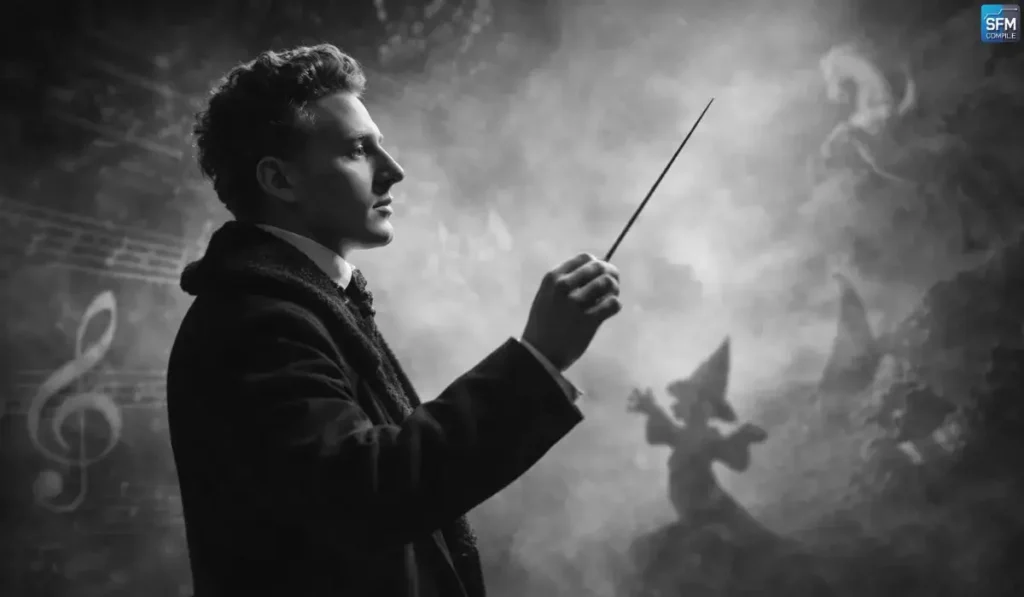
For many people, Stokowski isn’t first remembered through a concert program, but through film. His association with Disney’s Fantasia helped turn him into a cultural icon, not just a musician’s musician. Once that happened, every detail around him, including his name, became more searchable, more repeated, and more likely to get distorted through retelling.
How Stokowski entered Disney’s world
Biographical accounts describe how his work connected with projects that reached mass audiences, including film. Fantasia is the famous example because it put a real conductor on screen in a way general audiences could instantly recognize. That kind of exposure turns a name into a brand, and brands attract “backstory content,” both accurate and wildly inaccurate.
The “silhouette conductor” as an icon
Even if you don’t know his full biography, you may recognize the striking look: the profile, the hair, the commanding posture. Classic portraits, like the well-known Karsh photograph, reinforced that image. When a visual identity becomes that strong, people assume the personal story must be equally dramatic, and name variants start sounding believable simply because they fit the mood.
Why searchers still chase the full name today
The internet rewards specificity. If someone sees “Stanislaus” attached to Stokowski once, they search it, and the search results reinforce the association. Over time, the unusual version of a name can outrank the accurate version in casual spaces, even when major references remain consistent. That’s why explaining the difference between documented facts and repeated myths matters for readers and writers alike.
Conclusion
“Leopold Stanislaus Stokowski” is best understood as a clue to a bigger phenomenon: a famous artist whose identity got edited by rumor, translation, and repetition. The most reliable biographies and institutional summaries consistently point to a London-born conductor named Leopold Anthony Stokowski, with “Antoni” appearing as a Polish-language variation in some contexts.
What makes the story fascinating isn’t just the paperwork, but the way Stokowski’s career created space for myth-making. He was bold, modern, and highly visible, and that combination invites legend. Once you understand how the name confusion happened, you can spot the difference between a documented biography and a good story that keeps getting retold because it sounds right.
FAQs About Leopold Stanislaus Stokowski
Was “Leopold Stanislaus Stokowski” his birth name?
Most reliable references identify him as Leopold Anthony Stokowski, with “Antoni” sometimes appearing as a Polish form. “Stanislaus” is often seen in inconsistent references and can also be confused with family details.
Where was Leopold Stokowski actually born?
Records-based biographies and institutional summaries place his birth in London on April 18, 1882, despite repeated rumors that he was born elsewhere in Europe.
Why do some sources list extra middle names for him?
Older references and repeated online bios sometimes expand his name into longer Slavic forms. Once a mistaken entry gets copied, it can spread widely, even when stronger documentation points to simpler, consistent forms.
Did Stokowski change his name on purpose?
Some accounts note that he sometimes used “Antoni” rather than “Anthony,” which is more a language choice than a full identity swap. The larger confusion seems driven by rumor and repetition, not a formal legal overhaul.
Why is he still considered a legend today?
Beyond the name story, Stokowski is remembered for major artistic influence, high-profile leadership, and cultural reach, including archival footprints preserved by institutions and widespread recognition through media and recordings.

I’m Eric Nelson, a professional content writer with over 8 years of experience creating clear, engaging, and well-researched content across multiple digital spaces. I focus on turning complex topics into easy-to-understand stories that inform, entertain, and add real value for readers.
My Experience & Expertise 🚀
Multi-Niche Content Specialist:
Over the years, I’ve written across a wide range of categories including tech, crypto, business, lifestyle, fashion, grooming, celebrities, and breaking news. I specialize in content that feels current, trustworthy, and genuinely useful. 💡
Writer, Researcher & Trend Analyst ✍️
As an author at SFMCompilee.com, I cover:
Tech insights & explainers 💻
Crypto & business trends 📊
Lifestyle, fashion & grooming guides 👔
Celebrity stories & trending topics 🌟
In-depth reviews and practical guides 🧭
I write with a balance of research, experience, and reader-first thinking, making sure every piece is informative, engaging, and easy to follow without unnecessary fluff.